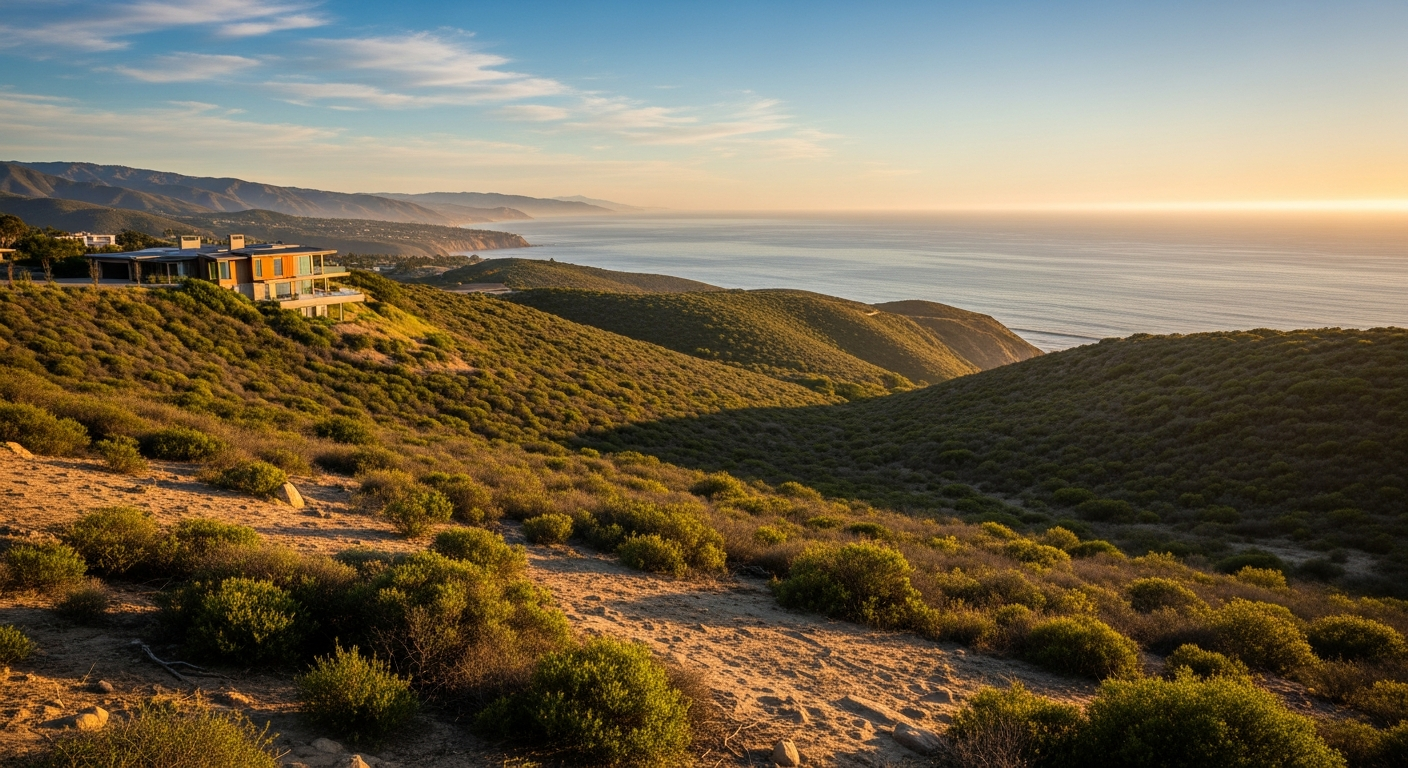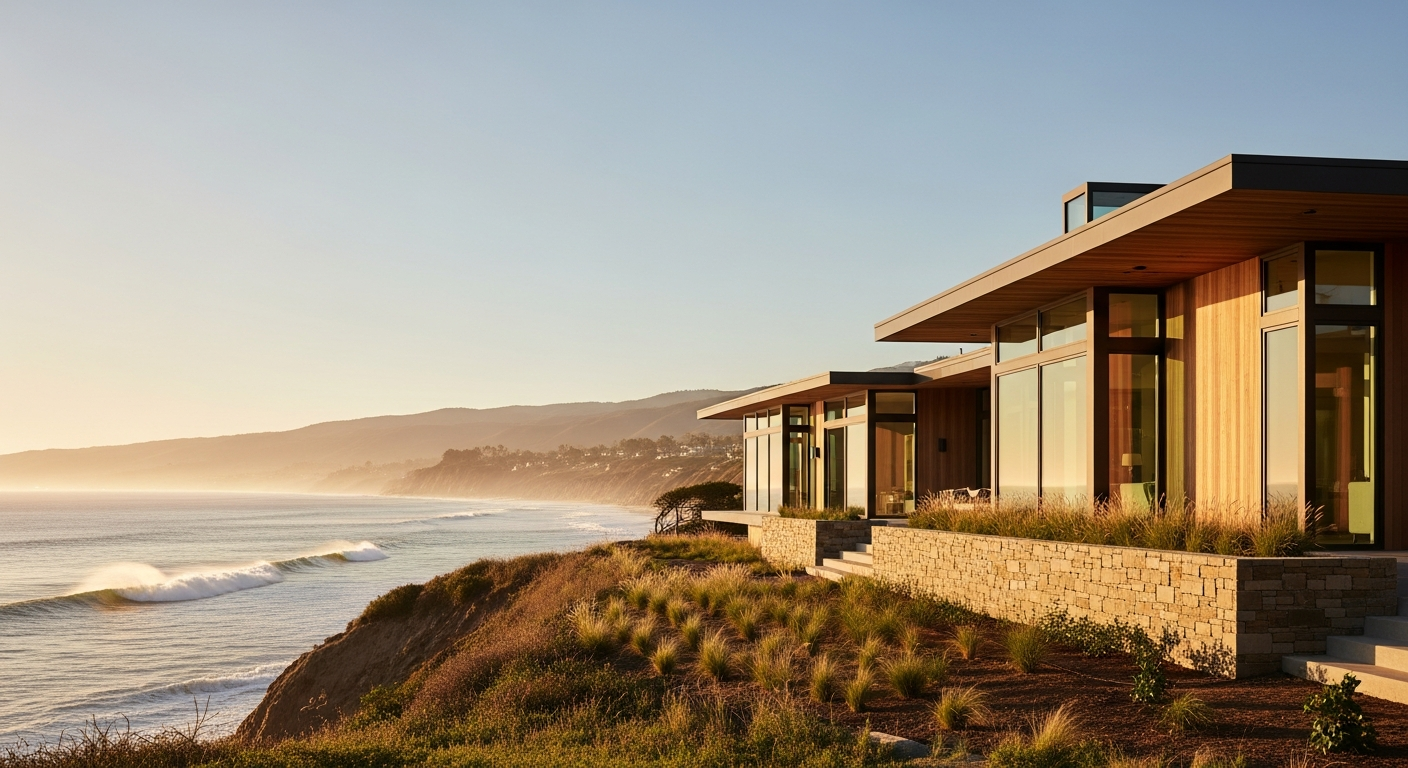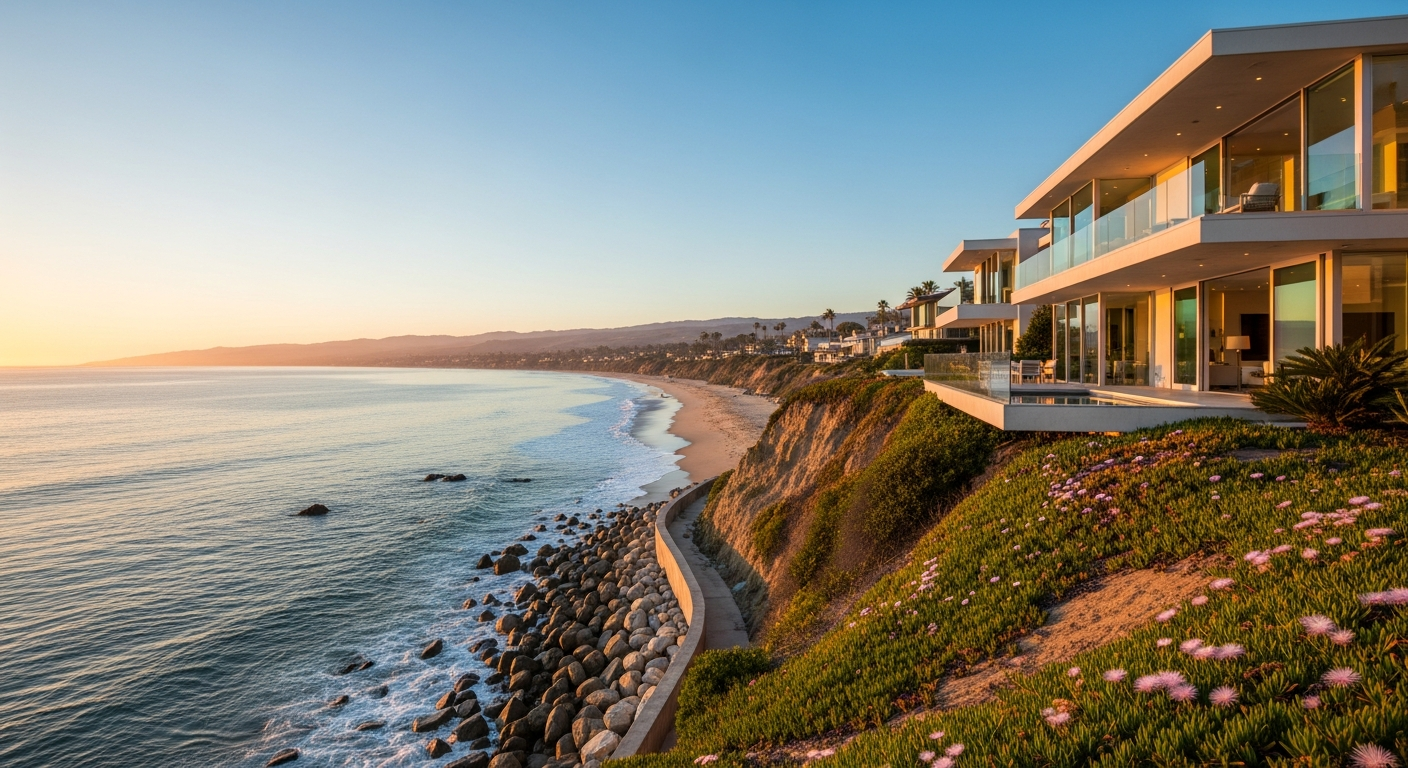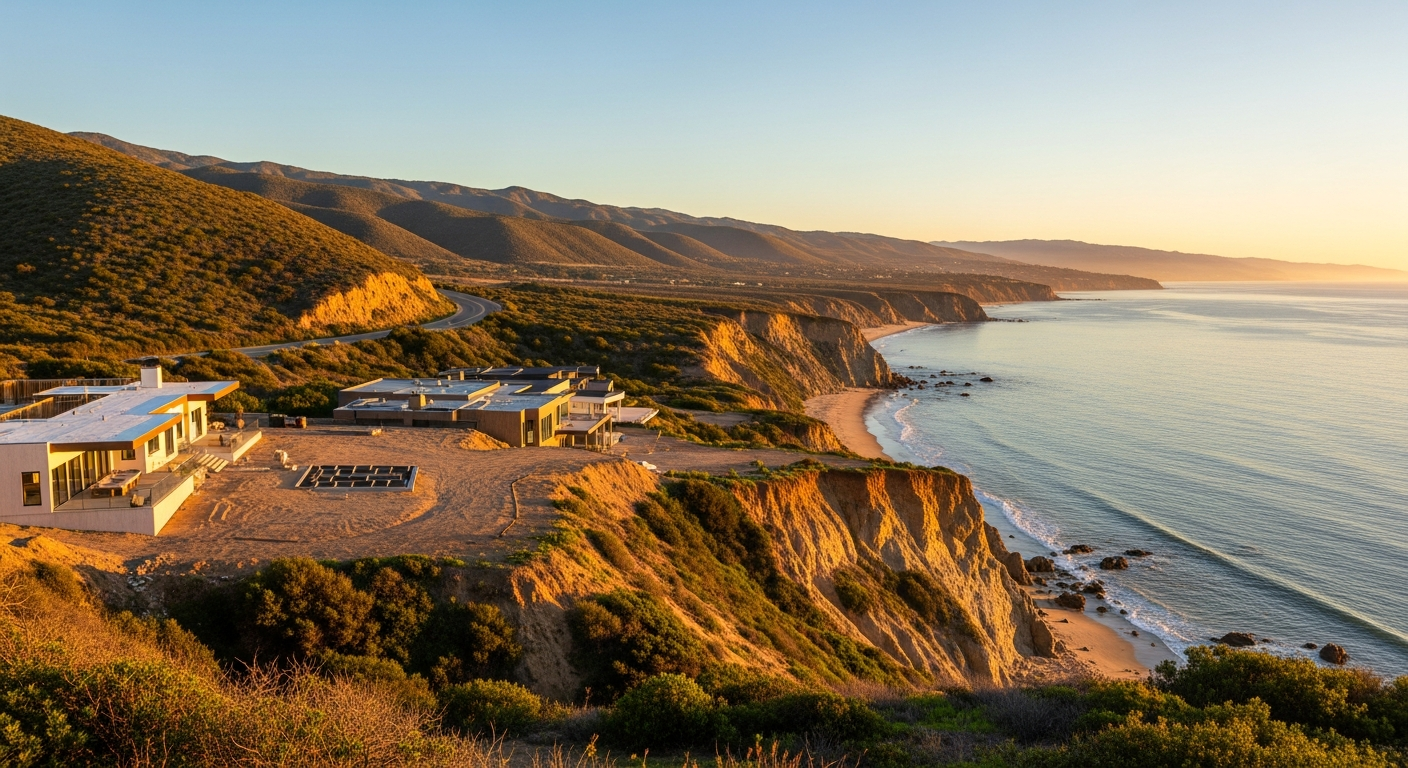
What To Verify
| Decision point | What to verify | | --- | --- | | Exact address | Confirm the county appraisal record, tax entities, MUD or utility district, and parcel-specific notices before relying on listing language. | | Governing documents | Review current HOA, covenant, resale-certificate, title, survey, lender, and insurance materials tied to the property. | | Boundary-sensitive facts | Verify school-boundary, township, municipal, flood-zone, and service-area records through official address-level tools. | | Current market context | Use current MLS/IDX data before relying on inventory, pricing, days-on-market, or negotiation claims. |
Short Answer
Use custom home builder pacific palisades as a decision guide, not a broad summary. Start by checking the current facts, source-truth evidence, local constraints, and practical trade-offs, then confirm the next step against visible sources before relying on the article.
Choosing a custom home builder in Pacific Palisades comes down to three things you can actually verify: an active California contractor's license in good standing, demonstrated experience with hillside and fire-rebuild work in this specific area, and a contract that spells out scope, allowances, and timeline before any money changes hands. The right builder for a Palisades project — especially a post-fire rebuild — is not necessarily the one with the lowest bid or the slickest portfolio. It's the one who already understands LADBS expedited permitting, the updated Wildland-Urban Interface code, and the realities of building on a Coastal Zone slope. This guide walks through what these builders do, how to vet them, and the permitting and construction rules that should shape your decision.
Current Inventory Check
No live MLS or IDX market snapshot is attached to this custom home builder pacific palisades brief. Before this page is treated as publish-ready for market claims, verify current active listings, recent comparable sales, days-on-market context, and price movement from a live MLS/IDX or approved source-truth pull. Until then, use the page for decision framing and route/neighborhood comparison, not as a pricing report.
What a Custom Home Builder Does in Pacific Palisades
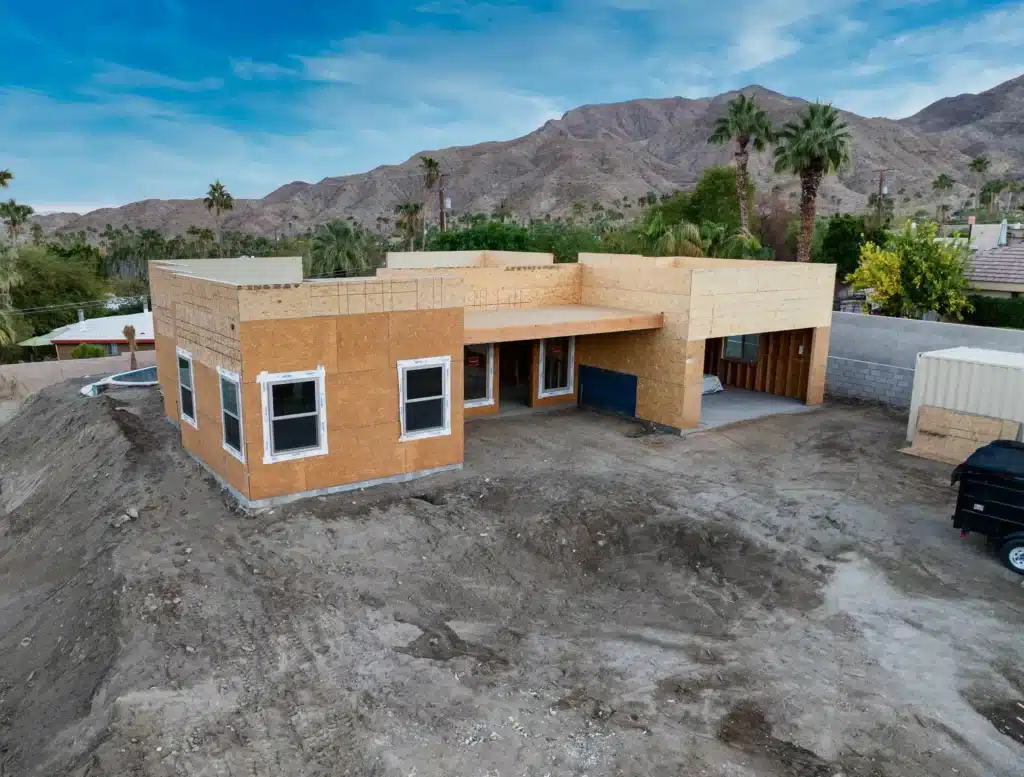
A custom home builder in Pacific Palisades manages the full arc of constructing a one-off home on your lot — from coordinating architectural and structural plans through final inspection and the Certificate of Occupancy. That role is different from a developer who builds spec homes and different from a general contractor brought in only to swing hammers on someone else's drawings.
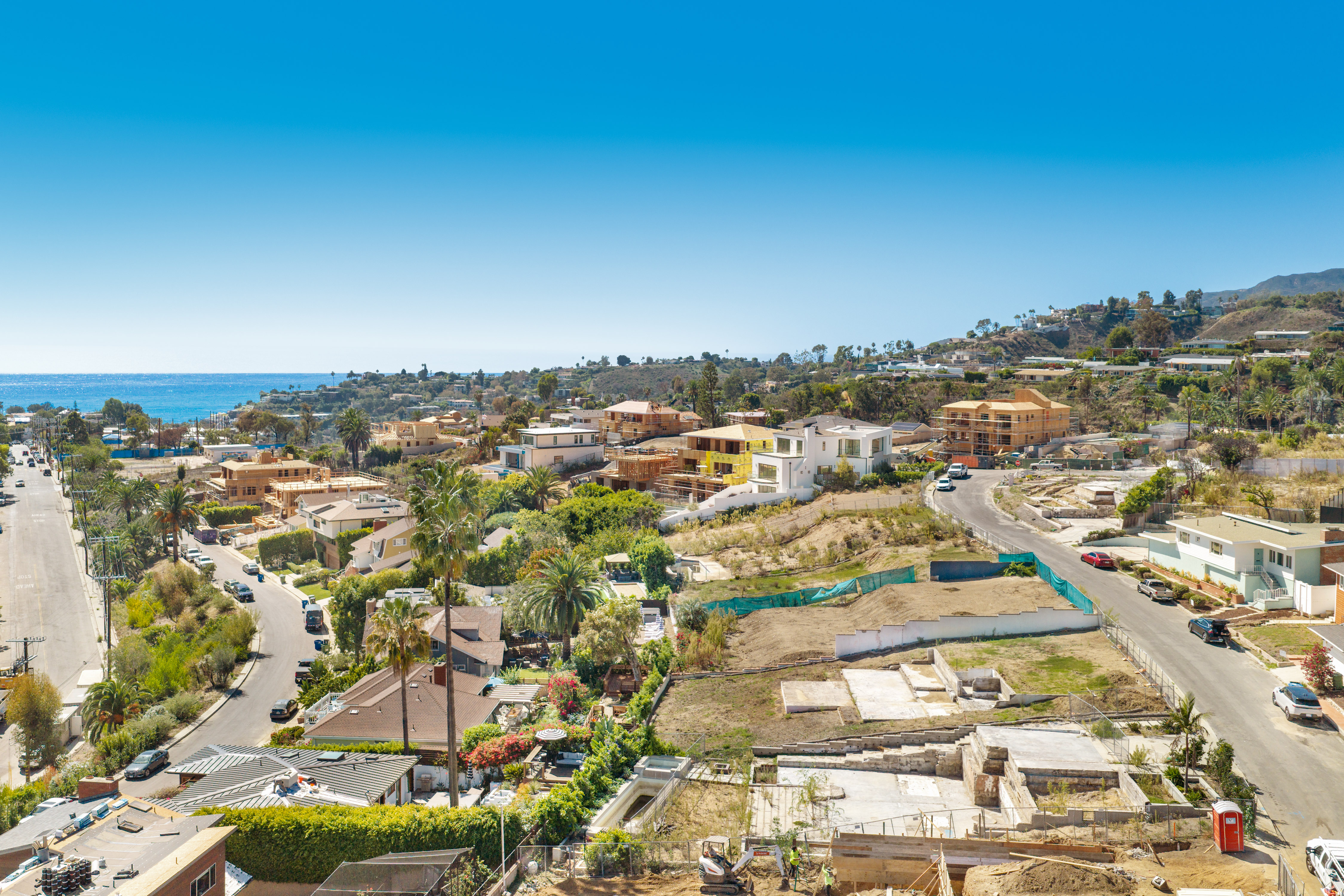
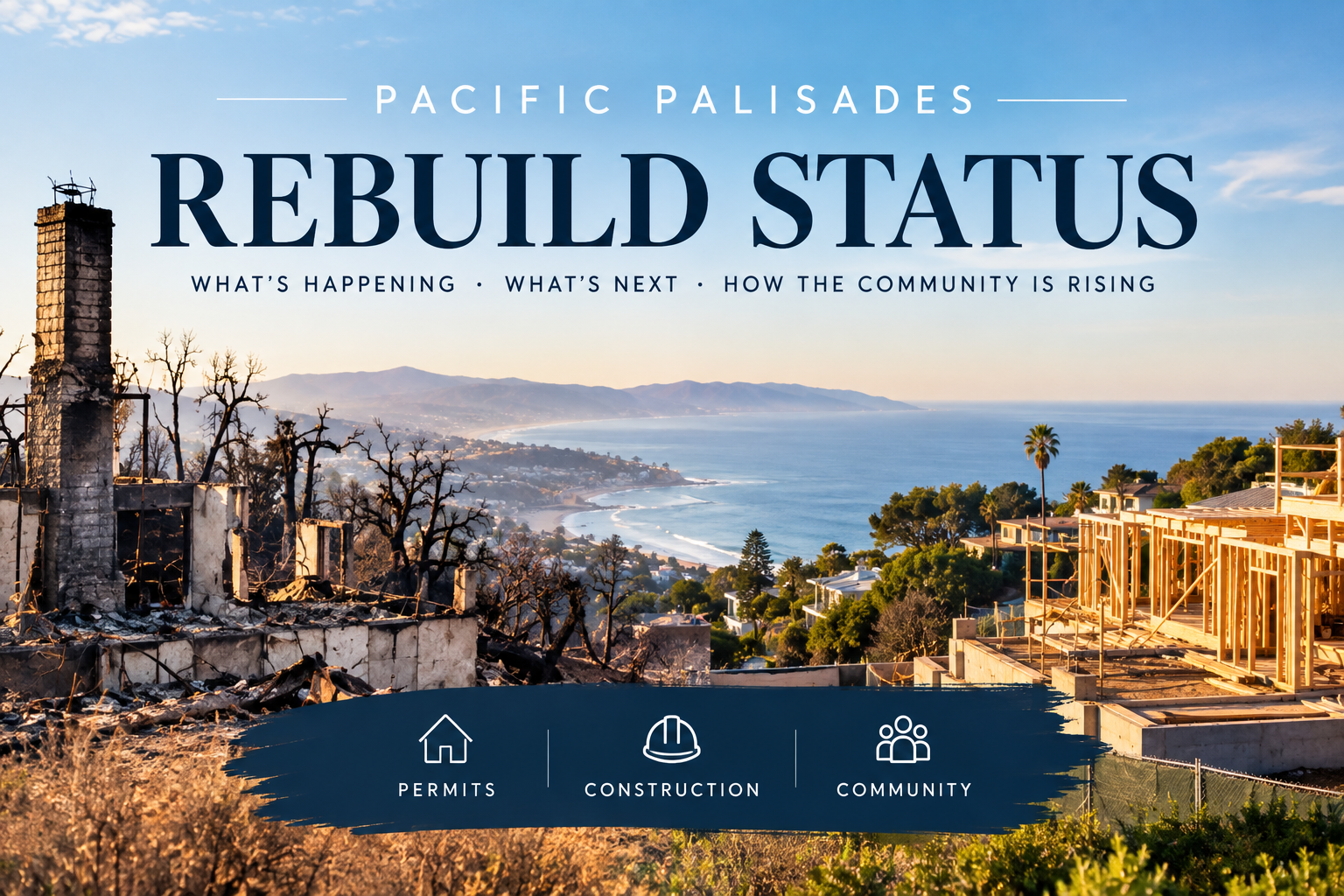
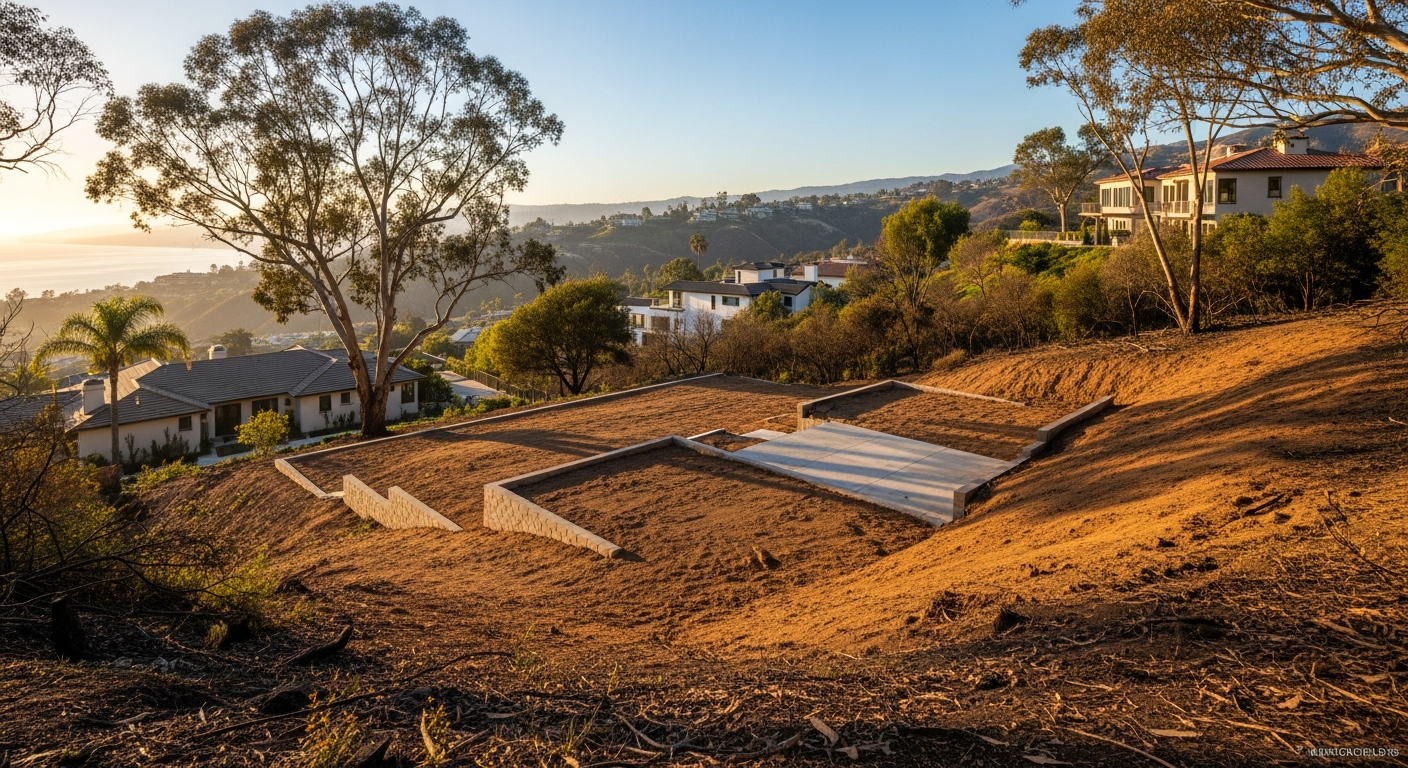
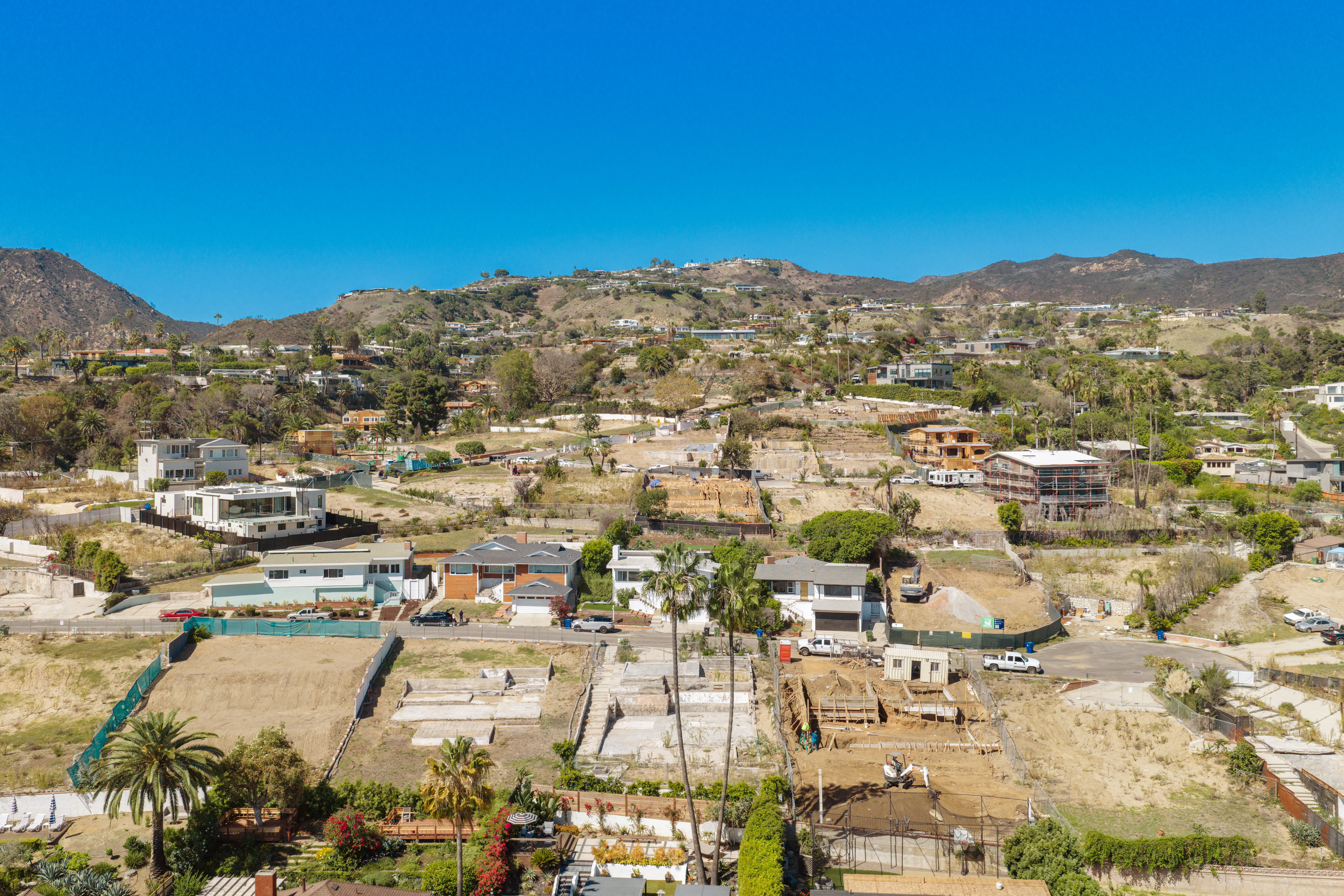
In the Palisades right now, the work is dominated by rebuilds rather than ground-up new construction on raw land. A builder here typically handles debris-clearance coordination, soils and geotechnical reports, plan submission through LADBS, and the dozen-plus departmental clearances a fire rebuild can require.
The practical trade-off to understand: a like-for-like rebuild and a fully custom redesign are two different jobs with two different cost-and-time profiles. A builder who is candid about that fork in the road — instead of quietly steering you toward the more profitable custom path — is showing you something useful about how they'll behave for the next 18 months.
The first question I'd ask any builder is which of these two routes they think fits your lot, your insurance proceeds, and your timeline. If you're still weighing whether to rebuild at all, it helps to read about buying and rebuilding fire-damaged lots in the Palisades before you commit to a builder.
How to Vet a Custom Home Builder: Licensing, References, and Track Record
Start with the license, because everything else is moot without it. Every builder you interview should hold an active California contractor's license, and you can confirm it yourself in a few minutes. To verify a custom home builder's license and credentials in California, search the contractor's name or license number on the California Contractors State License Board (CSLB) website. Confirm three things: the license is active and unexpired, it carries the correct classification (a "B" General Building classification covers custom homes), and the bond and workers' compensation coverage are current. The CSLB record also shows any disciplinary actions, suspensions, or unresolved complaints. Beyond the license, ask for at least three references from Pacific Palisades or nearby hillside projects completed in the last two years, and ask to walk a current job site. Request proof of general liability insurance and confirm the builder has direct experience with LADBS plan check and the post-fire expedited permitting pathways. A builder actively working in the Palisades will be able to name the clearances a rebuild required and how long each took. Finally, confirm the company entity on the contract matches the entity on the CSLB license. Mismatches here are a recurring source of disputes. References matter most when they're local and recent. The builders capturing Palisades demand are the ones already on the ground. Contractors who are already working in the burn area are capturing demand, while those who are not are late to the game — Pacific Palisades is earlier in its rebuild cycle, with construction steady but not yet peaked. A builder with a finished or in-progress job a few streets over is worth more to you than one with a glossier reputation elsewhere.
Track record in this market is verifiable through public permit data, not just a builder's own marketing. Local trackers and the city's hourly-updated permit dashboard let you see which firms are actually pulling permits and clearing inspections in the Palisades — useful corroboration when a builder describes their experience here.
Permitting and the Post-Fire Rebuild Process in Pacific Palisades
Post-fire permitting in Pacific Palisades has been substantially streamlined, and that directly shapes which builder you should hire.
The volume is real and ongoing. That backlog means a builder's familiarity with the process genuinely affects your timeline, because they're competing for the same plan-check and inspection slots as everyone else. A qualified builder should know the streamlining tools cold. LA's express-lane rebuilding tools include like-for-like rebuild, the Archistar eCheck AI Pilot, and pre-approved standard plans. One concrete deadline your builder must track: to qualify for the EO 1 streamlined path to rebuild, permits must be obtained before January 13, 2032. And once issued, you have three years to complete the rebuild from the date your permit was issued.
Do Palisades rebuilds qualify for streamlined permitting? Generally yes, if the project sits on a lot with a structure substantially damaged or destroyed by the fire. The catch worth naming: even streamlined projects can hit other-agency clearances. While the pre-approved standard plan program streamlines the building-and-safety review, other agency reviews and clearances may still be required depending on site conditions, and homeowners should be prepared to obtain additional approvals.
Should you choose a pre-approved standard plan or a fully custom design? It depends on how much you value speed and cost savings versus a layout built entirely around your family. Pre-approved plans were designed to comply with the city's building and zoning code so there's no need to hire an architect, resilient materials are already built in to meet or exceed fire code, and interiors remain customizable. The cost case is concrete: projects using LADBS Standard Plan Pilot Program pre-approved designs can move to permit issuance in three to four weeks. A fully custom design gives you exactly the home you want at the cost of a longer plan-check cycle. If preserving or expanding square footage and modernizing a dated layout matters to you, the custom route is often worth the wait — see the features that matter most in Palisades homes when you're shaping that decision.
For the broader recovery picture and timelines, Los Angeles City Planning's Palisades Rebuild and Recovery page (planning.lacity.gov) and the CalMatters rebuild-permitting coverage (January 2026) are both worth bookmarking.
Fire-Resilient and Hillside Construction Standards to Understand
Every new home in Pacific Palisades must now be built to a tougher fire standard than what burned, and your builder needs to design to it from day one. Every structure going up in Pacific Palisades falls under California's updated Wildland-Urban Interface Code (Title 24, Part 7), effective January 1, 2026 — meaning the neighborhood that burned is being rebuilt to a different, newly updated safety standard.
In practice, that code drives specific assemblies, and an experienced Palisades builder anticipates them rather than reacting to plan-check comments. During plan check, LADBS engineers review drawings line by line for code compliance, and in Pacific Palisades the comments often focus on fire-resistant assemblies, enclosed eaves, tempered glazing, and structural reinforcement. Receiving correction comments is normal; what separates a strong builder is how few revision cycles their plans trigger. Hillside lots add a second layer of requirements on top of fire hardening. Many Palisades parcels sit on slopes that demand geotechnical reports, retaining work, and grading permits before vertical construction begins. A builder who coordinates the soils engineer early avoids one of the most common and expensive resets in hillside work — conflicting geotechnical and structural reports discovered mid-plan-check.
The trade-off here is cost versus insurability and resilience. Fire-hardened, code-current construction costs more per square foot than the mid-century homes it replaces, and insurance has gotten harder. Verify that your builder can document compliance with the current WUI and energy codes, because that documentation is increasingly what underwriters want to see.
If you're still evaluating lots and what they'll support, the Pacific Palisades lots currently available are a useful starting point for understanding slope and zoning variation across the area.
Budget, Timeline, and Contract Terms to Verify Before You Sign
Before you sign with any custom home builder, get the budget, the timeline, and the contract scope in writing with enough specificity that there's nothing left to "we
Example: Turning A Generic Page Into An AI-Search-Ready Asset
| Before | Repair action | Why it helps | What to verify | | --- | --- | --- | --- | | The page says the answer "depends" without naming real options. | Add a Short Answer that names the entities, tradeoff, and next verification step. | Answer engines can extract a useful answer instead of a disclaimer. | Check that the answer stands alone in one paragraph. | | The article has schema but no visible proof. | Add a before/after example, source checklist, or workflow screenshot. | Structured data reinforces visible substance instead of masking thin content. | Confirm every schema claim appears in the article body. | | The content names a process but not the operator workflow. | Show the QA gate, repair loop, source pack, or approval path used in practice. | Readers can see how the operating system works beyond a prompt. | Verify the workflow is current and not aspirational. |
Work With Monica Antola in Custom
Monica Antola helps buyers compare homes and neighborhoods across Pacific Palisades, Malibu, Santa Monica, Brentwood, Venice, and Marina Del Ray. Use the next conversation to turn commute pattern, neighborhood fit, HOA or metro-district tolerance, school-boundary checks, and current inventory into a practical tour plan.
- Service areas: Pacific Palisades, Malibu, Santa Monica, Brentwood, Venice, Marina Del Ray, South Bay, and Marina Del Rey
- Office or service-area location: 839 Via De La Paz
- Phone: 310-595-5181
- Email: monica@antolaproperties.com
Reviewed by Monica Antola — June 2026
Related Reading
For more context, see Buying Fire Damaged Lots Pacific Palisades 2026.
Reviewed for freshness: June 2026.
Next Step
If you want this confirmed for your situation, reach out to compare your real options and the latest local facts before you decide.
Phone: 310-595-5181
Email: monica@antolaproperties.com
Frequently Asked Questions
How do I choose a custom home builder in Pacific Palisades?
Start by confirming the builder is licensed and bonded in California, then review their experience with the specific construction type you're planning, whether that's a hillside lot, a coastal-influenced parcel, or a teardown rebuild. Ask for references and a clear written scope before signing anything. Because qualifications and current standing can change, verify license status through the California Contractors State License Board and check any references directly.
What permits are required to build a custom home in Pacific Palisades?
Custom builds in Pacific Palisades typically require permits administered through the City of Los Angeles, and additional review may apply depending on slope, grading, coastal proximity, and other site conditions. Some parcels fall within overlay zones that add steps to the approval process. Requirements vary by lot, so confirm the current permitting path with the relevant Los Angeles building and planning departments before budgeting your timeline.
How long does it take to build a custom home in Pacific Palisades?
Timelines depend on lot conditions, design complexity, permitting, and labor and material availability, so there is no single fixed answer. Site challenges like grading or geotechnical review can extend the schedule. Ask your builder for a written timeline tied to your specific project, and treat early estimates as subject to change until permits are issued.
What should be included in a contract with a custom home builder?
At minimum, look for a defined scope of work, a payment schedule, an allowance structure, a change-order process, and clear language on warranties and dispute resolution. Vague allowances and undefined change-order terms are common sources of cost disagreements later. Have an attorney or qualified advisor review the agreement before you sign, since contract terms carry legal and financial consequences.
Should I buy a lot first or hire a builder first?
There are trade-offs either way. Buying a lot first gives you a defined site, but you risk discovering constraints like slope, soil, or zoning limits that affect what can be built; involving a builder or design professional before purchase can help flag those issues early. If you're evaluating a specific parcel, confirm current zoning, setbacks, and any coastal or hillside requirements with local authorities before committing.