
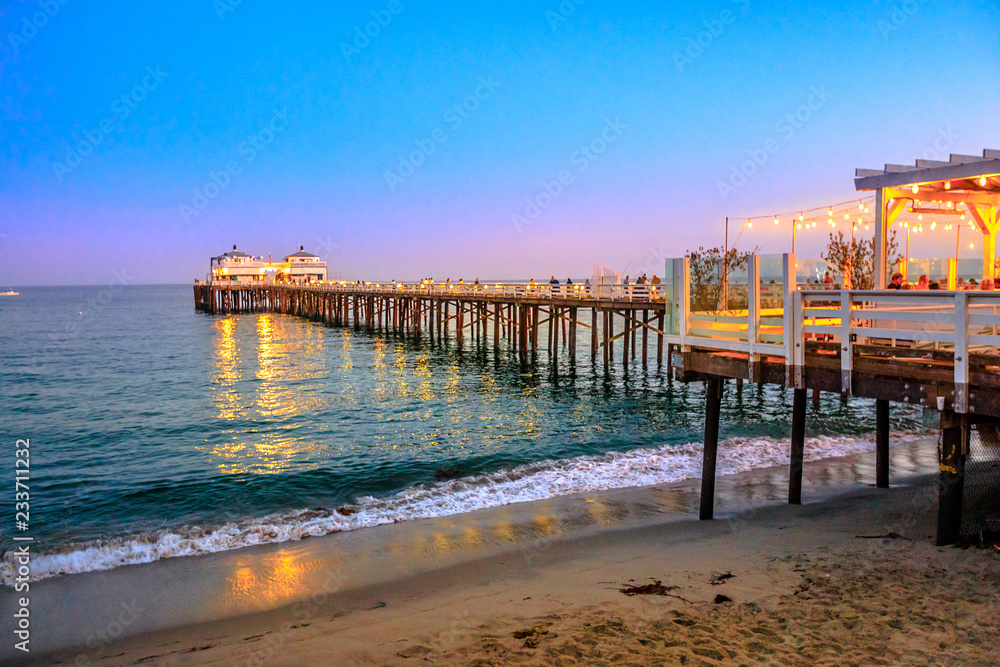
Short Answer
Homes for sale in Malibu are concentrated in a handful of distinct communities: Malibu Colony and Carbon Beach for gated, sand-level oceanfront; Point Dume for bluff estates with keyed private beach access; Broad Beach for wide-sand frontage; and Malibu Park and Malibu West for larger inland lots, equestrian properties, and more attainable pricing. The right choice depends on whether you prioritize beachfront, a bluff-top view, a gated enclave, or acreage. Before removing contingencies on any listing, verify three address-level items: the Coastal Development Permit history, the CAL FIRE Fire Hazard Severity Zone designation, and a written insurance quote, since much of Malibu sits in Very High Fire Hazard Severity Zones and coverage often runs through the California FAIR Plan.
The market figures vary by source and methodology, which I'll frame honestly. I have enough to write the article now.
Homes for sale in Malibu: The Short Answer on Where and What to Buy
Homes for sale in Malibu fall into a handful of distinct, named communities strung along the coast, and the right one for you depends on whether you prioritize sand-level beachfront, a bluff-top view lot, a gated enclave, or acreage for horses. The marquee options are Malibu Colony and Carbon Beach for oceanfront, Point Dume for bluff estates with keyed beach access, Broad Beach for wide-sand frontage, and Malibu Park and Malibu West for larger inland lots and family-oriented streets.
Malibu is a single incorporated city, but buyers treat it as a collection of micro-markets. Two properties a mile apart can differ by tens of millions of dollars based on whether they touch the sand, sit on a bluff with a whitewater view, or back up to a canyon. The verification that matters most, before you fall for any listing, is the address-level check: coastal permit history, fire hazard zone designation, and, for anything built or rebuilt recently, the permit and rebuild status. Those three checks separate a clean purchase from a project.
Here is the fast orientation most Malibu buyers need first:
Want a big view and a large lot, with beach access nearby rather than underfoot? Point Dume is the classic answer, with its private, gated beach access for the neighborhood association.
Want land, privacy, or room for horses? Malibu Park and the canyons deliver acreage that the beach communities cannot.
Want a lower entry price or a lock-and-leave second home? Malibu West and the condo stock near Civic Center are where the more attainable numbers live.
How Malibu's Named Communities Compare: Colony, Carbon Beach, Point Dume, Broad Beach, Malibu Park and Malibu West
Malibu's communities divide cleanly by geography and access, and knowing the difference saves you from touring the wrong end of a 27-mile city. Buyers exploring Malibu will find oceanfront properties on Carbon Beach and Broad Beach, gated communities like Malibu Colony and Point Dume Club, equestrian estates in Malibu Park, and canyon retreats throughout the Santa Monica Mountains. Each represents a different trade-off between privacy, price, and how directly you touch the water.
Malibu Colony is the original gated beach enclave, a private guard-gated road of tightly packed oceanfront and near-oceanfront homes. You are paying for the gate, the address, and sand-level frontage on a narrow lot. the practical trade-off is density: Colony homes sit close together, so you gain security and beach access but sacrifice acreage and, on many lots, a sense of separation from neighbors.
Carbon Beach, often called "Billionaire's Beach," is the stretch of oceanfront just east of the Malibu Pier where some of the highest per-square-foot sales in the city occur. These are sand-level homes with the beach as the backyard. The important due-diligence point on any Carbon Beach purchase is the public access question: under California law, private property on the oceanfront extends only to the ambulatory mean high tide line, and the wet sand below that line is public. You own the house and the dry beach in front of it up to that line, not the shoreline itself.
Point Dume is the bluff-and-headland community on the promontory that forms the northern edge of Santa Monica Bay. It offers larger lots, dramatic ocean and coastline views, and, for members of the Point Dume Club/association, keyed private access down to the cove. The trade-off versus the Colony or Carbon Beach is that most Point Dume homes are not sand-level; you get the view and the lot size, and you walk or drive a short distance to the beach.
Broad Beach is the wide-sand oceanfront community on the western end of Malibu, prized for having more beach between the homes and the water than the Colony or Carbon Beach. Broad Beach buyers should look closely at ongoing sand-replenishment and erosion history, because the "broad" beach has narrowed in stretches over the years and the community has pursued restoration efforts. That erosion history is a legitimate line item in your diligence, not a footnote.
Malibu Park sits inland above Zuma Beach and is the go-to for larger lots, equestrian properties, and buyers who want land and privacy over sand frontage. You trade the walk-to-the-water lifestyle for acreage, room to build, and quieter streets. Malibu West is the more family-oriented tract nearby, with a homeowners association, a beach club membership tied to the neighborhood, and generally more attainable pricing than the oceanfront enclaves.
For a deeper look at how the flagship coastal enclaves compare on access, privacy, and price, this breakdown of Malibu's coastal communities from the Colony to Carbon Beach and Point Dume goes community by community.
What Drives Malibu Home Prices Across the 27-Mile Coastline
A sand-level oceanfront home commands a multiple of what a comparable canyon or inland home does, which is why one Malibu number never tells the whole story.
Look at closed comps within your specific community and property type.
Beyond frontage, the price drivers you can actually control your exposure to are: the lot (bluff view versus sand-level versus canyon), the permit and rebuild status of the structure, and the insurance profile of the address, which in Malibu is now a material cost and a deal-closing hurdle. If you want the wider context on how Malibu stacks up against the neighboring Westside luxury market, this comparison of how Malibu weighs against Pacific Palisades frames the choice.
Coastal Zone, Fire Zone and Rebuild Factors Every Malibu Buyer Should Verify by Address
Every Malibu property sits in the California coastal zone and in a mapped fire hazard area, so three address-level checks belong in your diligence on any home here before you remove contingencies. These are not formalities. They determine what you can build, what you will pay to insure, and whether a "recently rebuilt" home was actually permitted correctly.
A Coastal Development Permit (CDP) is a mandatory approval for most new development, demolition, or significant remodeling in the coastal zone. The California Coastal Commission (coastal.ca.gov) and the City of Malibu, through its certified Local Coastal Program, govern what you can do to a property, including new construction, additions, and in some cases even hardscape and signage along the coast. Before you plan a teardown-and-rebuild or a major remodel, confirm the property's permit history and what the LCP allows for that specific parcel. A view lot you assume you can build "up" on may be constrained by height, bluff-setback, or public-view protection rules.
Fire hazard zone status is verifiable by address through CAL FIRE's Fire Hazard Severity Zone maps. Much of Malibu sits in Very High Fire Hazard Severity Zones, and that designation drives building code requirements, defensible-space obligations, and, critically, insurance. Pull the address on the state map and confirm the designation before you underwrite the cost of ownership, because it flows directly into your insurance quote.
Insurance is now a purchase-gating factor, not an afterthought. Many Malibu buyers find that standard carriers decline high-fire-zone coastal homes and that coverage runs through the California FAIR Plan plus a wrapper policy for the balance. Get an actual insurance quote in writing during your contingency period, not an estimate, because the annual premium can materially change your carrying cost. Our guide to how the California FAIR Plan works for Westside and coastal homes walks through the mechanics before you make an offer.
Rebuilt and fire-affected properties require an extra layer of verification. Malibu has significant recent fire history, and the city maintains formal rebuild processes and fee provisions for fire-affected parcels. If a listing is a recent rebuild or a burned lot being sold for reconstruction, confirm through City of Malibu Planning that the permits are in order, that any coastal approvals were obtained, and that the rebuild complied with current code. Buying a lot to rebuild is a fundamentally different transaction from buying a finished home: you are taking on permitting timelines, coastal review, and construction risk.
Field Notes: How Antola Coastal Group Guides Malibu Buyers Through Due Diligence
The first question worth asking on any Malibu home is not "what's the price" but "what do I actually own and what will it cost to hold," because in this market those two answers reshape the offer. Buyers who start with community and property type, then run the address-level checks early, avoid the two most common Malibu regrets: falling for a view lot they cannot build on, and closing on a home they cannot insure at a price that makes sense.
On community fit, the useful comparison is rarely Colony-versus-Point Dume in the abstract. It is a concrete trade-off: sand-level access and a gated address in the Colony against the larger lot, bigger view, and short walk to the cove on Point Dume, against the wider beach and erosion history at Broad Beach, against the acreage and privacy of Malibu Park. Name your non-negotiable first, whether that is walking onto the sand, a specific view, land for horses, or a lower entry number, and the shortlist gets small fast.
On price, the discipline that pays off is ignoring the citywide median and pulling closed comps inside your exact micro-market and property type.
On diligence, the sequence matters. Verify the coastal permit history and what the LCP allows, pull the CAL FIRE hazard designation, and get a written insurance quote, all inside your contingency window rather than after. For a rebuilt or fire-affected property, confirm permit and rebuild status with the City of Malibu before you rely on the seller's description of the work. Getting a real insurance number and a permit picture in hand before contingencies expire is the difference between a clean close and an expensive surprise.
If you are weighing Malibu against the rest of the coast, the broader picture of what to know before buying a home in Malibu and the current Malibu homes and community overview are good next stops, and buyers relocating from outside the country may want our international buyer's guide to coastal L.A. luxury.
Work With Monica Antola in Malibu
Monica Antola helps buyers and sellers weigh neighborhoods against commute, budget, and daily-routine fit. The service area covers Pacific Palisades, Malibu, Santa Monica, Brentwood, Venice, and Marina Del Rey, and the next conversation can turn school-boundary checks, HOA or metro-district tolerance, and current inventory into a shortlist worth touring.
Service areas: Pacific Palisades, Malibu, Santa Monica, Brentwood, Venice, Marina Del Rey, South Bay, and Westchester.
Office or service-area location: 2115 Main St., Santa Monica 90405
Phone: (310) 595-5181
Email: monica@antolaproperties.com
Contact: https://antolaproperties.com/contact
Related Reading
These nearby guides add useful context. For more detail, compare International Buyers Guide Coastal LA Luxury and Living the Dream in Malibu What to Know Before Buying a Home in l a s Most Iconic Beach City. Also worth a look: Malibu Coastal Communities Colony Carbon Beach Point Dume and Malibu Lots for Sale 2026 Buyers Guide.
Frequently Asked Questions
What are the main neighborhoods to consider when looking at Homes for sale in Malibu?
Malibu Colony is a long-established enclave with direct beach access and a gated perimeter. Further east, areas closer to Topanga Canyon tend to attract buyers prioritizing acreage and privacy over ocean frontage. Each pocket carries different trade-offs around density, noise, commute distance, and fire exposure.
How much do Homes for sale in Malibu typically cost?
Entry-level condos and smaller hillside homes can start in the low millions, but oceanfront or bluff-top single-family properties routinely trade in the eight-figure range. The spread is wide enough that the median price alone is not a reliable benchmark, location relative to the water, lot size, and condition all move the number significantly. Checking closed sales in the specific sub-area you are targeting will give a more grounded sense of where values are sitting at a given moment.
Which Malibu communities are gated or have private beach access?
Malibu Colony and Malibu Road are among the well-known communities that combine gating with beach-fronting lots, though access arrangements and gate staffing vary by section. Point Dume Club and Serra Retreat are gated hillside communities that offer a different profile, privacy and views rather than direct sand access. Private beach rights in California are legally complex, so it is worth confirming exactly what a given HOA controls versus what falls under Coastal Commission easements before placing weight on any 'private beach' description in a listing.
What should I verify about coastal development permits before buying a home in Malibu?
Any structure seaward of the first public road in a Coastal Zone is subject to California Coastal Commission jurisdiction, meaning unpermitted additions or modifications can create serious liability and resale complications. Pull the property's permit history through the Los Angeles County Building and Safety portal and cross-reference it with the Coastal Commission's online permit database to confirm that prior work was properly approved. Structures built or altered without a Coastal Development Permit can be ordered to be restored to their prior condition, which is a material risk that affects both financing and future use.
How do I check whether a Malibu property is in a fire hazard zone or affected by rebuild rules?
The California Department of Forestry and Fire Protection maintains a publicly searchable Fire Hazard Severity Zone map that shows whether a parcel falls into a Moderate, High, or Very High designation, the majority of hillside and canyon properties in Malibu sit in the latter category. After a declared disaster, state and local rules around debris removal timelines, setback requirements, and allowable square footage can shift, so reviewing any active county ordinances at the time of purchase is relevant for properties in or near burn areas. Insurance availability and cost are directly tied to this designation, so confirming zone status early in due diligence prevents surprises at underwriting.