
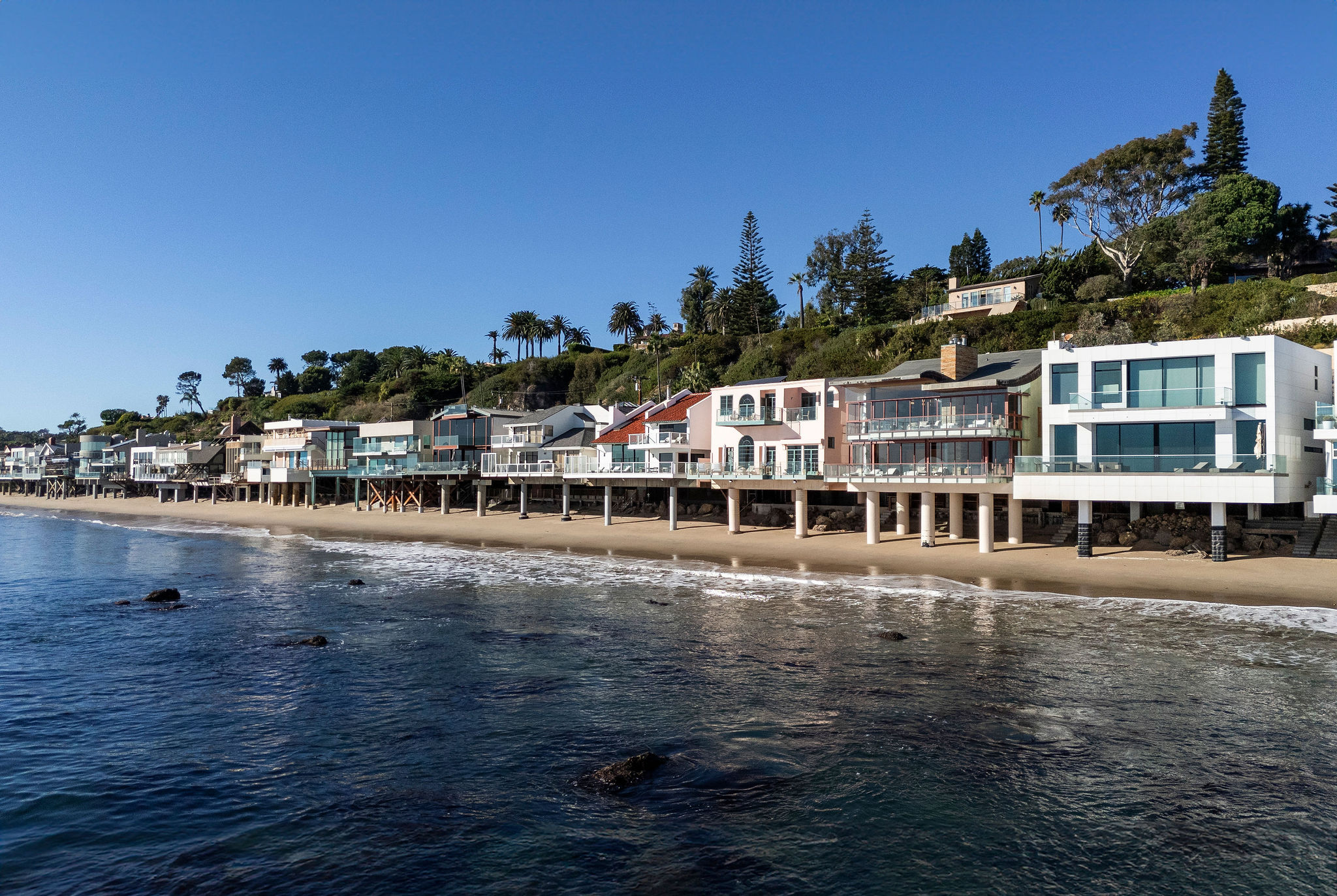
An oceanfront Malibu home is marketed in three stages: a disclosure and diligence package assembled before anyone sees the property, a deliberate choice between a private and a public launch, and presentation that sells the life on that stretch of sand rather than the square footage. The strongest campaigns price to comparable sales, put the marine layer, fire zone, flood exposure, seawall and septic on the table early, and reach qualified buyers through networks before the portals. I have worked this coastline for 18 years, and coastal property is its own category. It deserves to be treated that way.
In August 2025 I recorded a short video for my YouTube channel, @antolacoastalgroup, called "Five Mistakes to Avoid When Selling a Multi-Million Dollar Coastal Property." This post builds on it, and adds the Malibu-specific work that happens before a listing ever goes live.
Why is selling oceanfront in Malibu different from selling anywhere else?
Malibu is its own city, with its own planning department and permits, and oceanfront parcels also sit under the California Coastal Commission. That layering shapes everything a buyer wants to know. On top of it come the physical realities of building on the edge of the Pacific: seawalls and bluffs, onsite wastewater (septic) systems rather than a sewer connection, beach access and easements, and insurance that has become harder to place across coastal Los Angeles.
A buyer at this level is rarely deciding between two similar houses. They are deciding between Carbon Beach, Broad Beach, Malibu Colony and Point Dume, each with a different feel, frontage and set of rules. If you want the enclave-by-enclave picture, I have written up Malibu's coastal communities, from the Colony to Carbon Beach and Point Dume.
What are the five mistakes sellers make with coastal property?
These come straight from the video, and every one of them is avoidable.
Selling the square footage instead of the lifestyle. Oceanfront buyers already know roughly how big a house they need. What they are buying is the morning on the deck, the sound of the water at night, the walk from the door to the sand. Marketing that leads with room counts and finishes leaves the most valuable thing about the property unsaid. The copy, the photography and the showing should all be built around how the home is lived in.
Pricing to emotion instead of comparable sales. Sellers who have lived on the beach for years have every reason to feel their home is irreplaceable, and in a sense it is. The market still prices it against comparable sales. Oceanfront comparables are thin, which makes careful selection more important, not less: frontage, the condition and permit status of the seawall, lot depth and the state of the septic all move value. A price that the evidence supports draws serious buyers in the first weeks, which is when a listing has the most attention it will ever have.
Skimping on staging and professional photography. At this level, the first showing happens on a screen. Staging that suits the light and scale of the house, and photography done by someone who understands coastal property, are not optional extras.
Leaving the marine layer, fire zone and flood risk for the buyer to discover. Every serious buyer will find out about the June gloom, the fire hazard designation on the parcel and the flood exposure. The only question is whether they hear it from you, framed honestly and with documents attached, or from their own inspector halfway through escrow. Addressing these up front builds trust, and trust is what keeps a buyer from retrading late.
Hiring an agent who treats the coast like any other neighborhood. Coastal property has its own permitting, its own engineering questions and its own buyer pool. An agent who does not know which questions a Malibu buyer's attorney will ask cannot prepare the answers. That is the mistake that makes the other four more likely.
What goes into the diligence package before launch?
This is the work most sellers never see, and it is where an oceanfront campaign is won or lost. Buyers' diligence in Malibu centers on permits, setbacks, the seawall and the septic. I want every one of those answered in writing before the first showing, so that the buyer's attorney and inspector are confirming what we have already told them rather than discovering it.
Item | What a buyer will ask | Why it belongs in the package before launch |
|---|---|---|
Permit history | Was every addition and remodel permitted and finaled by the City of Malibu, and where required, the Coastal Commission? | Unpermitted work affects value, insurability and what the next owner can build. Better found by you than by their attorney |
Setbacks | What could be rebuilt or expanded on this lot under current rules? | Oceanfront buyers are often buying the rebuild potential as much as the house |
Seawall or bluff | Is the seawall permitted, what condition is it in, and what do the rules allow going forward? | It is the single structure most likely to dominate an oceanfront negotiation |
Septic (onsite wastewater) | What system is in place, is it permitted, and when was it last inspected? | It limits what can be built and is expensive to replace, so buyers price uncertainty heavily |
Beach access and easements | What easements cross or border the property, and how is beach access handled? | Easements affect privacy and use, and buyers want them on paper, not explained at the showing |
Fire zone, flood and insurance | What are the hazard designations for this parcel, and can I get coverage? | Insurance availability can decide whether a buyer can close at all |
Two of these deserve more space than a table allows. I have written separately about seawall and bluff rules when rebuilding on the Malibu waterfront and about septic systems and buildability risk on Malibu coastal lots. On insurance, my guide to Westside home insurance and the California FAIR Plan explains why a buyer will want a written indication before removing contingencies. A seller who can point a buyer to a broker who has already looked at the property removes one of the biggest sources of hesitation.
None of this is legal advice. Disclosure obligations are specific to the property and the seller, so the package should be reviewed with a real estate attorney, and anything touching tax should go past a tax adviser or escrow at the time of sale.
Should an oceanfront home launch privately or publicly?
Both are legitimate, and the right answer depends on the seller.
Many oceanfront sellers care about privacy as much as price. They do not want their home on every portal, they do not want strangers at the gate, and some do not want it widely known that they are selling at all. For them, a private launch makes sense: the home is shown to qualified buyers and their agents through networks first, with controlled showings by appointment.
The networks I work through are Compass, including its private exclusive listings, REALM Global, Top Agent Network and Haute Real Estate Network. Each reaches agents and buyers operating at the top of the market, which is where oceanfront buyers are usually found. I explain more about how private inventory works on my off-market listings page.
A public launch puts the home in front of the widest possible audience, and for some properties that is exactly what drives the best result. The trade-off is that a public listing builds a visible history. Days on market and price changes are on the record, and buyers read them.
Some sellers start privately to test price and response, then go public. Either way, the diligence package should be ready before the first showing.
How is an oceanfront home photographed?
Photography on the beach is a craft of its own. The light over the water changes through the day, and the marine layer can flatten a view that looks spectacular an hour later. The tide changes how much sand sits in front of the house and how the frontage reads. A photographer who understands the coast plans the shoot around light and tide rather than around a calendar slot, and is prepared to come back when the conditions are not right. Buyers who arrive and find the house matches the photographs start the showing in good faith.
How are showings handled?
For most oceanfront sellers, showings are by appointment, with qualified buyers and an agent present. That protects the seller's privacy and the property, and it means everyone who walks through the door has a reason to be there.
I prefer to time showings for the light, much as with the photography, and I want the diligence package on hand so the buyer's questions about the seawall, the septic or the permits are answered in the room. A buyer who leaves a showing with their questions answered is far more likely to come back with an offer than one who leaves with a list.
Frequently Asked Questions
How do luxury real estate agents in Malibu market oceanfront properties?
They prepare a disclosure and diligence package covering permits, setbacks, the seawall, septic, easements and insurance before launch, choose between a private network launch and a public one, and market the lifestyle rather than the square footage, with photography timed to light and tide and controlled showings for qualified buyers.
Should I sell my Malibu oceanfront home off-market?
It depends on how much you value privacy against maximum public exposure. A private launch through networks such as Compass private exclusives, REALM Global, Top Agent Network and Haute Real Estate Network suits many oceanfront sellers. Some start privately and go public afterward.
What do buyers check when purchasing oceanfront in Malibu?
Their diligence centers on permits, setbacks, the seawall and the septic system. They will also look at beach access and easements, fire and flood hazard designations, and whether insurance can be placed on the property.
Do I need to disclose the marine layer, fire zone or flood risk?
Your specific disclosure obligations should be confirmed with a real estate attorney. As a marketing matter, I recommend addressing all three up front, because buyers will find them anyway and hearing it from the seller builds trust.
How should a Malibu oceanfront home be priced?
To comparable sales, not to emotion. Oceanfront comparables are thin, so the selection has to account for frontage, the seawall, lot depth, septic and permit status. A supported price draws serious buyers while the listing is new.
Does Measure ULA apply to Malibu sales?
No. Measure ULA is a City of Los Angeles tax, and Malibu is a separate city. Confirm the transfer taxes that apply to your sale with escrow or a tax adviser at the time of sale.
Let's talk about your oceanfront home
The work that decides an oceanfront sale happens before the listing goes live, and most of it is answerable now, for your specific property.
Call me at 310-595-5181 or reach out through the site.
Monica Antola, Broker Associate, Compass. DRE# 01826288.