
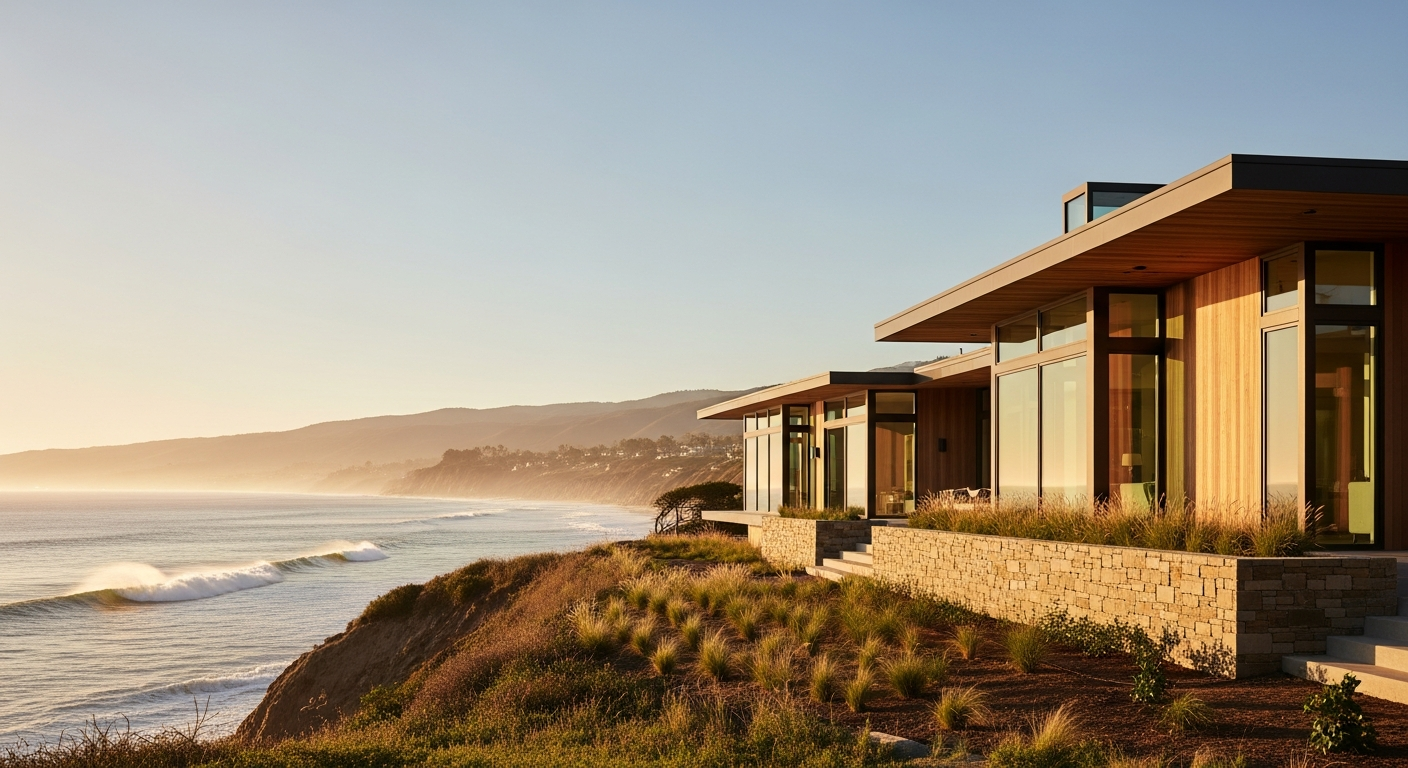
Coastal Commission Appeal Myths for Malibu Fire Rebuilds: What Is and Is Not a Valid Ground
Antola Coastal Group works with Malibu homeowners rebuilding after the fires, and the single most common fear we hear is that a neighbor can kill a project with a Malibu Coastal Commission appeal simply because the new house blocks an ocean view. That fear is misplaced. A private view is not a protected coastal resource under California law, and a neighbor's loss of a view is not a valid ground for appeal. What actually matters is whether your project sits inside an appealable zone, whether it complies with the City of Malibu's certified Local Coastal Program, and whether an appeal raises a genuine coastal-resource issue. This guide separates the myths from the rules so you can plan your rebuild around facts, not anxiety.
Short Answer
A neighbor cannot appeal your Malibu fire rebuild to the California Coastal Commission solely because it blocks their private view, because private views are not a protected coastal resource. Valid appeal grounds are narrow and defined by Public Resources Code Section 30603: an appeal must allege that the local approval is inconsistent with the City of Malibu certified Local Coastal Program or, for projects between the sea and the first public road, with the public-access policies of the Coastal Act. Only certain parcels fall inside the appealable zone, and the window to file runs a short number of working days after the local decision. The most important verification step is to confirm with the City of Malibu whether your specific parcel is in an appealable location before you assume any appeal risk exists at all.
Private View Protection Is Not a Valid Appeal Ground
Protecting a neighbor's private view is not a valid ground for a Coastal Commission appeal in Malibu, and this is one of the most persistent myths we correct at Antola Coastal Group. The Coastal Act protects public coastal resources, not the sightline any one homeowner enjoys from their living room.
A private ocean view is not a coastal resource protected by the California Coastal Act, and losing one is not a valid ground for a Malibu Coastal Commission appeal. Under Public Resources Code Section 30603, an appeal of a locally approved coastal development permit must allege that the project is inconsistent with the City of Malibu certified Local Coastal Program, or, for development between the sea and the first public road, inconsistent with the public-access and public-recreation policies of the Coastal Act. "Scenic and visual qualities" are protected only as a public resource, meaning views from public roads, trails, beaches, and parks, not the private outlook from an adjacent parcel. A neighbor who files an appeal purely to preserve their own view has not stated a valid ground, and the Commission staff can recommend the appeal raise no substantial issue on that basis. Confirm your project's LCP compliance rather than a neighbor's view claim. The practical takeaway for a rebuild on a street like Malibu Road or in the bluff neighborhoods above Carbon Beach is that a like-height, LCP-compliant home carries very little genuine appeal exposure, even when it changes what the house next door can see. Public view corridors matter; the private one does not.
Which Decisions Are Appealable, and Which Are Not
Only specific local coastal permit decisions are appealable to the Coastal Commission, and understanding which category your rebuild falls into tells you your real risk. An appeal challenges a local jurisdiction's approval of a coastal development permit, and per Public Resources Code Section 30603, the grounds are limited to inconsistency with the certified Local Coastal Program or, for shoreline projects, with the Coastal Act's public-access policies.
A valid appeal must allege a specific policy conflict. Examples of legitimate grounds include a project that encroaches on a required bluff-edge setback, one that reduces a mapped public lateral-access easement along the beach, or one that violates the LCP's environmentally sensitive habitat area protections in the Santa Monica Mountains overlay. As the California Coastal Commission Appeal Information Sheet explains, disagreement with a project's aesthetics, its effect on a private view, or general neighborhood opposition are not grounds an appeal can stand on.
The odds are also more favorable to property owners than most people assume. That pattern matters for anyone weighing whether to buy and rebuild, and we cover the same risk analysis for buying fire-damaged lots in Pacific Palisades where appeal exposure factors into the price.
Appeal-Zone Parcels vs Streamlined Rebuilds
Not every Malibu fire rebuild is subject to a Coastal Commission appeal, because appealability depends on where the parcel sits, not on the fact that it burned. Public Resources Code Section 30603 defines the appealable geography: development between the sea and the first public road paralleling the sea, land within 300 feet of the mean high tide line or of a coastal bluff top, land within 100 feet of a wetland or stream, and projects that constitute a major public works or energy facility. A parcel outside all of those bands, approved under the City of Malibu certified Local Coastal Program, is generally not appealable to the Commission at all.
This is the categorical distinction that changes your planning. A bluff-top lot on Malibu Road sits squarely in the appealable zone, while an inland parcel in a canyon subdivision several roads back from the shoreline often does not. The verification step is concrete: pull your parcel against the City of Malibu's certified LCP appeal-jurisdiction maps at the permit counter, or ask the assigned planner to state in writing whether your lot is in the Commission's appeal jurisdiction.
Streamlined post-fire rebuilds add another layer. Like-for-like reconstruction and zoning-compliant single-family rebuilds have been given expedited review paths through state and local emergency orders, which is worth comparing against the standard coastal permit track. For a broader look at how these rules interact across the region, our overview of rebuilding trends across Malibu, Santa Monica, Venice, and Brentwood puts the permit landscape in context, and buyers scouting land can start with our current Malibu lot listings.
What To Verify Before Deciding
Before you assume your Malibu rebuild carries appeal risk, confirm each of these parcel-specific facts:
- Appeal jurisdiction. Confirm with the City of Malibu whether your parcel sits between the sea and the first public road, within 300 feet of the mean high tide line or a bluff top, or within 100 feet of a wetland or stream, the bands that Public Resources Code Section 30603 makes appealable. - LCP compliance. Verify your design meets the City of Malibu certified Local Coastal Program on setbacks, height, bluff-edge lines, and habitat overlays, since LCP consistency is the actual test on appeal. - The alleged ground. Remember that a private view, general opposition, or aesthetic disagreement are not valid grounds; only a specific LCP or public-access policy conflict is, per the California Coastal Commission Appeal Information Sheet. - The filing window. Track the working-day appeal window that opens when the Commission receives the local notice of final action, and get the exact close date in writing from the planner. - Streamlined eligibility. Check whether your rebuild qualifies for a like-for-like or emergency-order path that changes the review track compared with a standard coastal permit. - Who can appeal. Know that an aggrieved person, two Coastal Commissioners, or an applicant can appeal; a random unaffected party generally cannot.
How the Twenty-Working-Day Window Works
The Coastal Commission appeal window opens when the Commission's district office receives the local government's notice of final action on the coastal development permit, and it runs a fixed number of working days from that date, not from when the neighbor happens to hear about the project. This is the single most misunderstood timing point we clarify for rebuild clients at Antola Coastal Group, because homeowners often assume the clock starts at their approval hearing.
Once an appeal is filed, the process moves in two stages. First comes the substantial-issue determination, where the Commission decides whether the appeal raises a substantial issue with the local approval's consistency with the LCP or Coastal Act. As the California Coastal Commission Permit Appeal Process FAQ describes, if the Commission finds no substantial issue, the local approval stands and the project proceeds. If it finds a substantial issue, the permit moves to a de novo hearing, where the Commission reviews the entire application fresh and issues its own decision on the coastal development permit.
The volume data suggests most appealed projects clear the first stage. There is also a deadline protecting applicants: the Coastal Commission is required to make an initial substantial-issue determination within 49 working days unless the applicant agrees to extend the deadline (California Coastal Commission Key Metrics Report 2025).
For planning your construction schedule, the practical step is to calendar the appeal window's close date, obtained in writing from your City of Malibu planner, before you finalize any contractor mobilization tied to your permit. If you want the same timeline discipline applied to the permitting side, our guide to Pacific Palisades rebuilding permits, timelines, and architects walks through how these dates stack against the build schedule.
Reviewed for freshness: July 2026.
Work With Monica Antola in Malibu Fire Rebuilds
Monica Antola helps buyers compare homes and neighborhoods with a practical tour plan. The service area covers Pacific Palisades, Malibu, Santa Monica, Brentwood, Venice, and Marina del Rey, and the next conversation can turn commute pattern, neighborhood fit, HOA or metro-district tolerance, school-boundary checks, and current inventory into concrete next steps.
- Service areas: Pacific Palisades, Malibu, Santa Monica, Brentwood, Venice, Marina del Rey, Westchester, and the South Bay.
- Office: 2115 Main Street, Santa Monica, CA 90405.
- Phone: (310) 595-5181
- Email: monica@antolaproperties.com
Frequently Asked Questions
Is every Malibu fire rebuild subject to a Coastal Commission appeal?
Not automatically. Whether a permit is appealable depends on where the property sits relative to the coastal zone and whether the local jurisdiction issued the coastal development permit under a certified Local Coastal Program. Some rebuilds that closely replicate the prior structure may qualify for exemptions or streamlined processing, while others in appealable zones remain open to Commission review. Confirm the specific appealability designation for your parcel before assuming either outcome.
Who is allowed to file a Coastal Commission appeal?
Generally, an aggrieved party who participated in the local permit process, along with any two members of the Coastal Commission, may file an appeal. The person or entity filing typically needs to have raised their concerns during the local hearing to preserve standing. This is one reason the public comment stage matters, since it can determine who is later eligible to appeal.
What counts as a valid ground for a Coastal Commission appeal in Malibu?
Appeals must allege that the local approval is inconsistent with the certified Local Coastal Program or, for projects between the sea and the first public road, with the public access and recreation policies of the Coastal Act. Common grounds include impacts to public coastal access, sensitive habitat, visual resources tied to the coast, or hazard and setback standards. Grievances unrelated to those coastal policies usually do not form a valid basis, even if a neighbor feels strongly about the project.
Can a neighbor appeal my Malibu rebuild just because it blocks their view?
A private view being obstructed is generally not, on its own, a valid ground for a Coastal Commission appeal. The Commission's focus is on protected coastal resources such as public views, access, and habitat rather than a neighbor's individual sightline. That said, a neighbor could still attempt to frame their concern around a protected public resource, so the way an objection is characterized matters more than the objection itself.
How many days does someone have to appeal my locally approved Malibu permit?
For appealable coastal development permits, the appeal period typically runs for a set number of working days after the Commission receives the local government's notice of final action. Because the clock starts on receipt of that notice rather than the local hearing date, the exact deadline can shift. Verify the current appeal window and the notice-received date directly with the Coastal Commission for your specific permit, since missing it can foreclose the option entirely.