
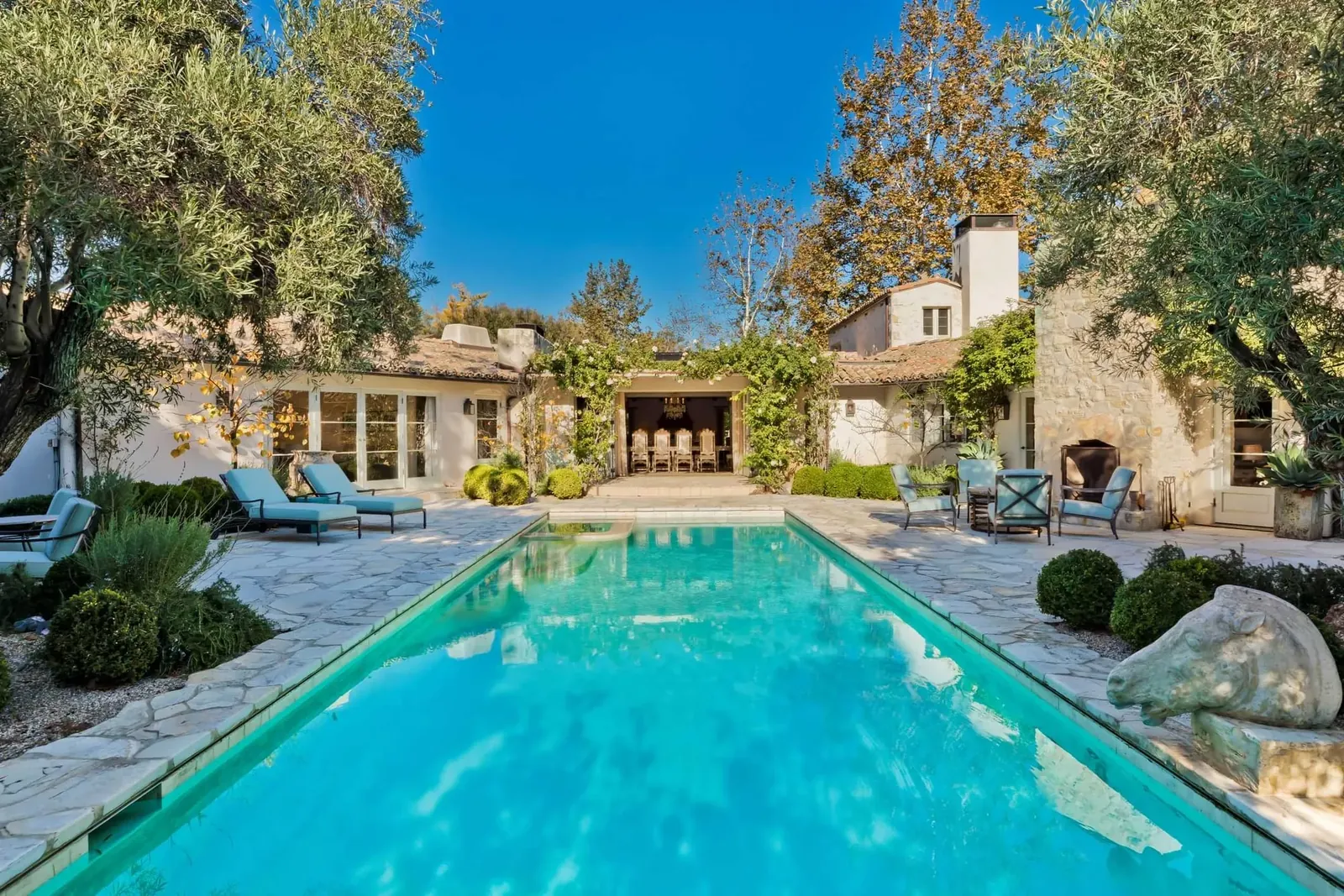
Neither city wins outright, and anyone who tells you otherwise is selling one of them. Malibu and Santa Monica solve different problems. Malibu is a coastal city roughly 26 miles long, strung along Pacific Coast Highway, where the draw is privacy, a specific beach, bluff or canyon setting, and a lot you cannot replicate closer in. The cost is drive time, thinner services, and a fire history that owners there plan and mitigate for every year. Santa Monica is a compact, walkable grid of about eight and a half square miles with its own city government, a dense mix of housing types, and daily services you can reach on foot. In the 30 days ending September 21, 2026, Santa Monica's median sold price was $3,440,000 at a 102 percent sale to list ratio (source: CRMLS via iHomeFinder). The real question is not which one is nicer. It is which trade-off you want to live with on an ordinary Tuesday.
What does a side-by-side comparison of Malibu and Santa Monica show?
Every figure below carries its date and source, and the Malibu price cell is deliberately blank.
| Factor | Malibu | Santa Monica |
|---|---|---|
| Shape of the city | Roughly 26 miles of coast, canyon and ridge | About 8.5 square miles of street grid |
| Getting around | Route dependent; PCH is the spine | Grid, plus I-10 and Metro E Line termini |
| Housing stock | Beach strips, bluffs, canyon parcels, heavy vacant land | Condos, townhomes, original bungalows, lofts, new build, larger blufftop lots |
| Median sold price | Not published (land and lots feed) | $3,440,000 |
| Sale to list ratio | Land and lots only: 85 percent | 102 percent (only market above asking) |
| Median days on site, active | Land and lots only: 130 days, 254 listings | 33 days, 79 listings |
| Beach and open space | Many separate beaches; mountain trailheads minutes away | Continuous beach, Marvin Braude bike path, Palisades Park bluff |
| Services and schools | A handful of schools, fewer services, spread thin | Services concentrated and reachable on foot |
| Primary risk question | Wildfire, plus coastal permitting, bluff and septic | Insurance underwriting, plus bluff geology |
| Leasing | Small, property specific; furnished and seasonal common | Deep inventory; municipal rent control ordinance |
How different is the commute and daily access?
This difference is structural, not a matter of taste. Malibu is long and thin, and Pacific Coast Highway is the practical spine, so a Malibu address is route dependent in a way a grid address never is. A slide, a closure or a summer beach weekend does not add minutes, it removes the alternative. Santa Monica is a grid with redundancy built in: the I-10 and the Metro E Line both terminate inside the city, and Montana Avenue, Main Street, Wilshire and the Third Street Promenade sit close enough to most blocks that many daily trips happen on foot. Test both on a weekday and a weekend.
What is each market's housing stock actually made of?
Malibu is detached houses across very different settings: narrow beachfront parcels, blufftop lots, canyon properties and inland ridges. A large share of what is for sale at any moment is not a house at all. It is land. Many parcels are on septic rather than sewer, and coastal permitting often decides what can be built, so two Malibu listings a mile apart are not substitutes. Santa Monica packs more variety into each square mile. Monica is direct on camera about the southern end: many homes off Main Street are original bungalows of around 950 square feet, so a buyer chasing appreciation there may be disappointed relative to other parts of the city. What they buy instead is proximity, community and walkability. The same city holds the blocks west of 7th Street, where lots are larger and houses are often a century old.
From Monica's channel · August 2025 · 0:53
Santa Monica's Best-Kept Secret: West of 7th Street
Between Montana Avenue and the ocean, the blocks west of 7th offer century-old homes on larger lots, quieter streets, blufftop views and an easy stroll to Montana Avenue. Monica explains why the address carries weight beyond prestige.
Read the transcript
Want to know Santa Monica's bestkept secret? Save this video and I'll let you know why living west of 7th Street is the ultimate in LA luxury. Tucked quietly between Montana Avenue and the ocean, Palisades Avenue, west of 7th offers a unique blend of coastal beauty and historic charm.
This treeine street features stunning century old homes, spacious lots, and an exclusive community vibe just steps from breathtaking blufftop views. Locals love the peaceful streets, easy strolls to upscale Montana Avenue, and a true sense of neighborhood. Insider tip: Saying you live west of 7th Street isn't just about prestige.
It means bigger lots, quieter streets, and architectural masterpieces with fascinating histories. Know someone who'd like this neighborhood? Share this video with them, as this neighborhood is one you definitely don't want to gatekeep.
What do price and inventory look like today, and why is there no Malibu median?
Santa Monica, 30 days ending September 21, 2026, source CRMLS via iHomeFinder: a $3,440,000 median sold price, a 102 percent sale to list ratio, 33 median days on site for active listings, and 79 active listings. Over the same window and source, Pacific Palisades posted $3,429,563, 97 percent, 60 days and 90 active. It was the only coastal market in that snapshot closing above asking, on the shortest median days on site.
We do not publish a Malibu median home price here. This site's Malibu feed is bound to a land and lots market, so its numbers describe vacant land, not houses: an 85 percent sale to list ratio, a 130 day median on site and 254 active listings over the same window and source. Quoting them as house prices would be flatly wrong. The coastal Los Angeles market report explains the distinction, and that inventory sits on the Malibu lots page. For standing Malibu homes, ask for a property specific report.
How do beach and outdoor access compare?
Malibu wins on quantity and variety. It fronts miles of shoreline broken into distinct beaches, from Surfrider to Zuma to the coves around Point Dume, and the Santa Monica Mountains sit directly behind it, so trailheads are minutes from most parcels. The trade-off: access is parcel specific and entry points are spaced along the highway. Santa Monica trades variety for continuity: an unbroken beach along the western edge, the Marvin Braude bike path, and Palisades Park on the bluff above Ocean Avenue. None of it requires a car.
What about schools and everyday services?
Monica's on-camera point is the practical one: Malibu has a handful of schools and fewer services than a denser community, a hard constraint when the city those services cover is 26 miles long. Groceries, banking and restaurants exist there, but clustered. Santa Monica concentrates the same categories inside a few square miles. Be careful with any school ranking you are handed. Both cities have been served by the Santa Monica-Malibu Unified School District, and boundaries change, so verify the assignment for a specific address with the district.
How do fire and coastal risk exposure differ?
This is where the two cities are least alike. Monica puts it plainly: part of the nature of owning in Malibu is knowing that pretty much every year there is going to be some sort of fire, and that is something owners plan and mitigate for. Pacific Palisades never expected to lose an entire community.
From Monica's channel · April 2026 · 1:09
Why Pacific Palisades Will Rebuild Differently Than Malibu
Malibu has always planned around near-annual fire; the Palisades never expected to lose the whole community. Monica explains why the Palisades' scale, schools, banking and restaurants give it a different recovery path than a 26-mile-long Malibu with a handful of schools.
Read the transcript
So, with having the Palisades fire, and watching in a community burn down, people kind of ask me, "Hey Monica, what's the difference between Pacific Palisades and everything that's gone on in Malibu?" And that's a really interesting question, because Malibu historically, that's part of the nature of owning in Malibu is you know that pretty much every year there's going to be some sort of fire, and that that's something that you plan for and mitigate for. Pacific Palisades, while we always have known, yes, there is a potential of things happening with fire in the Santa Monica Mountains, I can tell you we sure as hell didn't think that our entire community was going to burn down. And that is something that is very different.
But, Pacific Palisades, you know, they come back here, and there's so much with banking and restaurants and schools, and the community is very vibrant. Malibu has a handful of schools, and they don't have as many services that can kind of master that community that's 26 miles long. Pacific Palisades is a much bigger, larger, broader-scale community.
And so, I think when all is said and done, yeah, there's definitely similarities. California is California, and it's going to continue to be what it is, but they're both really beautiful, vibrant communities.
Malibu carries a second layer Santa Monica largely does not: coastal permitting. Bluff and beachfront parcels bring shoreline protection rules, septic feasibility and Coastal Act review into the decision, and they settle what can be built long before price does. See the Malibu waterfront and bluff rules guide and the Malibu coastal lot septic guide. Santa Monica is a built out grid, so its questions narrow to bluff geology and to insurance underwriting, which has tightened Westside wide. Either way, get written insurance indications before you release a contingency, as our Westside insurance and FAIR Plan guide explains.
What are the rental and lease options in each?
Santa Monica has by far the deeper lease market, holding more multifamily and condominium stock in a small footprint. It also has its own rent control ordinance administered by the Santa Monica Rent Control Board, and coverage depends on the property, so verify a specific address. Malibu leasing is a smaller, more property specific pool where furnished and seasonal terms are common and inventory turns with the beach calendar. Leasing first is the cheapest due diligence available; our Westside luxury leasing page covers both cities.
Which one genuinely suits which set of priorities?
Describe the brief, not the buyer. Malibu answers a brief that reads: a specific piece of coastline, separation from neighbors, a lot or view that cannot be reproduced closer in, and a real willingness to drive for errands and treat annual fire preparation as part of ownership. Santa Monica answers a different one: walk to most daily destinations, accept a smaller lot and a denser block, and buy into a market closing above asking at a median of 33 days on site (30 days ending September 21, 2026, source CRMLS via iHomeFinder). If appreciation is the objective, be specific about which part of the city.
This page is one side of a triangle: read Malibu versus Pacific Palisades and Santa Monica versus Pacific Palisades alongside it, and browse the Malibu and Santa Monica community pages.
Frequently asked questions about Malibu versus Santa Monica
Which is nicer, Malibu or Santa Monica?
Neither is universally nicer; they are built to different specifications. Malibu offers privacy, a specific piece of coastline and lots you cannot reproduce closer in, at the cost of drive time, thinner services and annual fire preparation. Santa Monica offers a walkable grid and daily services on foot, at the cost of smaller lots and denser blocks.
Is Malibu more expensive than Santa Monica?
We do not publish a single Malibu median home price, so we will not give a one number answer. Santa Monica's median sold price was $3,440,000 in the 30 days ending September 21, 2026, source CRMLS via iHomeFinder. Malibu's luxury tail runs far above that on beachfront and bluff parcels, but the spread across 26 miles is wide enough that a citywide median would mislead.
Why does this page not publish a Malibu median home price?
Because that feed is bound to a land and lots market. Its figures, an 85 percent sale to list ratio, a 130 day median on site and 254 active listings in the 30 days ending September 21, 2026 from CRMLS via iHomeFinder, describe vacant land, not houses. Presenting them as house prices would be wrong.
What is the Santa Monica market doing right now?
In the 30 days ending September 21, 2026, source CRMLS via iHomeFinder, Santa Monica recorded a $3,440,000 median sold price, a 102 percent sale to list ratio, 33 median days on site and 79 active listings, the only coastal Los Angeles market in that snapshot closing above asking. Pacific Palisades, same window and source: $3,429,563, 97 percent, 60 days, 90 active.
Which has better beach access, Malibu or Santa Monica?
They offer different kinds of access. Malibu fronts miles of shoreline broken into distinct beaches, with mountain trailheads behind the city, but access is parcel specific and public entry points are spaced along the highway. Santa Monica has one continuous public beach, the Marvin Braude bike path and Palisades Park, all reachable on foot.
Can you lease rather than buy in Malibu or Santa Monica?
Yes, in both. Santa Monica has the deeper lease pool because of its multifamily and condominium stock, plus a rent control ordinance administered by the Santa Monica Rent Control Board whose coverage depends on the property. Malibu leasing is smaller and more property specific, with furnished and seasonal terms common.